Pregnancy is one of the most transformative times in a woman’s life—emotionally, physically, and mentally. While your body changes every week, maintaining strength and stability is essential. Contrary to old myths, ab workouts for pregnant women aren’t dangerous. In fact, safe and modified core training can help prevent back pain, improve posture, and support a smoother recovery after birth.
This article will guide you through seven empowering ab workouts for pregnant women, why they’re safe, and how to perform them confidently. You’ll also learn what to avoid, how to adapt your workouts for each trimester, and the science behind keeping your core strong during pregnancy.
1. Understanding Why Core Strength Matters in Pregnancy
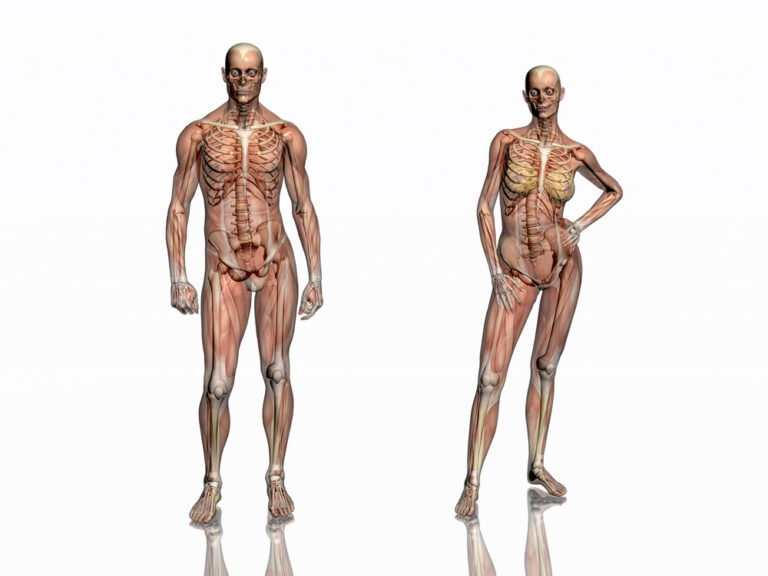
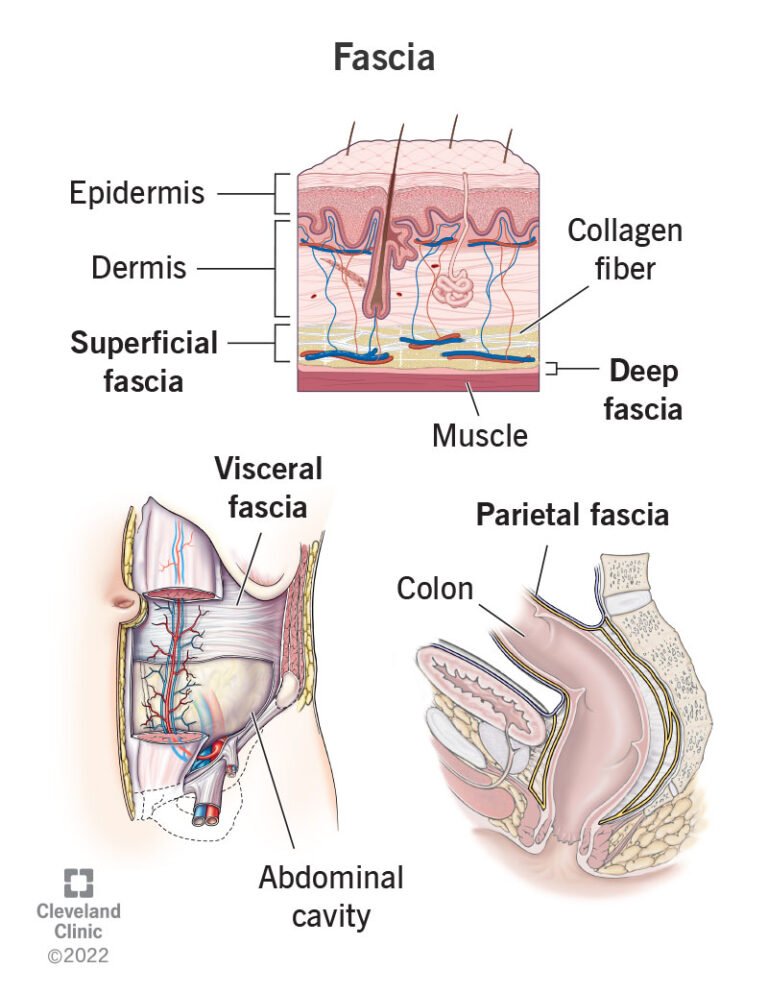
During pregnancy, your abdominal muscles stretch to make room for your growing baby. The connective tissue that joins the left and right sides of your abs—called the linea alba—also widens, sometimes leading to a condition known as diastasis recti. Gentle ab workouts for pregnant women help strengthen the transverse abdominis (deep core muscles) that act like a natural corset supporting your spine and bump.
According to the American College of Obstetricians and Gynecologists (ACOG), moderate physical activity during pregnancy improves endurance and muscle tone, reduces back pain, and lowers the risk of gestational diabetes [1]. By focusing on the right movements, you build strength without strain—helping your body adapt gracefully to change.
2. How to Practice Ab Workouts Safely
The golden rules:
1- Consult and follow your health care provider’s advice. You are unique, and you need to pay attention to your unique health condition that only you and your health care provider know.
2- Avoid lying flat on your back after the first trimester, as it can restrict blood flow. Instead, choose positions where you’re seated, on all fours, or standing. Safe ab workouts for pregnant women prioritize stability and control over intensity.
Key safety tips include:
-
Keep breathing—avoid holding your breath.
-
Stop any exercise that causes pain, dizziness, or pulling in your abdomen.
-
Focus on proper form and engage your deep core muscles (as if gently hugging your baby toward your spine).
-
Hydrate and listen to your body’s limits.
Remember: it’s not about “flat abs” — it’s about building a resilient core for childbirth and postpartum recovery.
3. Trimester-Specific Core Training Tips
Each trimester calls for subtle modifications in your ab workouts. Here’s how to adapt safely:
-
First Trimester (Weeks 1–12):
You can perform most core exercises with mild intensity. Focus on foundational moves that activate your transverse abdominis. -
Second Trimester (Weeks 13–27):
As your belly grows, avoid crunches and twisting. Switch to side-lying or seated core moves. -
Third Trimester (Weeks 28–40):
Prioritize balance and breathing exercises. Gentle pelvic tilts and standing ab workouts are ideal.
In all stages, ab workouts for pregnant women should feel supportive, not strenuous. It’s about connection, not competition.
4. The 7 Empowering Ab Workouts for Pregnant Women
Below are seven safe, effective, and empowering routines designed to strengthen your core while nurturing your baby bump.
1. Standing Side Crunch
Stand with feet hip-width apart. Place your hands behind your head, bend one knee, and bring your elbow to meet it. Alternate sides for 10–12 reps.
This move gently works your obliques and improves balance.
2. Cat-Cow Stretch
Get on all fours, inhale as you arch your back (cow), and exhale as you round your spine (cat).
This promotes spinal flexibility and strengthens your transverse abdominis without strain.
3. Seated Knee Lift
Sit tall on a stability ball or chair. Lift one knee slowly toward your chest, keeping your spine straight.
This move strengthens your lower abs and improves pelvic stability.
4. Pelvic Tilts
Lie on your back (first trimester only) or stand against a wall. Tilt your pelvis forward and back in a slow rocking motion.
It strengthens the deep core and eases lower back tension.
5. Side-Lying Leg Lift
Lie on your side, legs straight, and lift the top leg up and down slowly.
This works the obliques and hip stabilizers while being fully pregnancy-safe.
6. Bird Dog
Start on all fours. Extend your right arm and left leg simultaneously, then switch sides.
This exercise promotes coordination and strengthens your entire core and back.
7. Standing Wall Plank
Place your forearms on a wall at shoulder height. Step back until your body forms a straight line from head to heels. Hold for 20–30 seconds.
This low-impact version of a plank builds endurance in your transverse abdominis without belly pressure.
These seven ab workouts for pregnant women can be done as a gentle 15–20 minute routine, three to four times per week.
5. Common Mistakes to Avoid
Many pregnant women unintentionally make small mistakes that can increase discomfort. Avoid these common pitfalls:
-
Crunches or sit-ups: They put unnecessary pressure on your abdomen.
-
Deep twists or backbends: These can strain ligaments and the lower spine.
-
Holding your breath: Known as the Valsalva maneuver, it increases intra-abdominal pressure.
-
Ignoring discomfort: Pain is a sign to stop or modify your movement.
Safe ab workouts for pregnant women focus on controlled, mindful motion—your body and baby will thank you for it.
6. Mental and Emotional Benefits
Ab workouts aren’t just about muscles—they nurture confidence. Many moms-to-be report feeling more grounded, powerful, and emotionally centered after exercising.
Each repetition becomes an act of self-care, reminding you of your body’s incredible strength.
Endorphins released during movement enhance your mood, reduce anxiety, and improve sleep quality. Staying active also boosts blood circulation, keeping energy levels steady throughout pregnancy.
Empowering ab workouts for pregnant women go beyond the physical—they strengthen your spirit for the journey ahead.
7. Reconnecting Postpartum
After giving birth, your abdominal muscles need time to heal. Start with gentle breathing exercises, then progress to light core work once cleared by your healthcare provider.
Avoid rushing into intense routines—focus instead on postpartum recovery and reconnection.
Ab workouts for pregnant women lay the foundation for this phase, ensuring your body remembers how to engage its core properly. Within weeks, you’ll notice better posture, reduced pain, and renewed confidence.
8. The Science Behind Safe Prenatal Core Work
Research shows that prenatal exercise—including moderate abdominal strengthening—improves overall pregnancy outcomes. According to a 2019 study in the Journal of Obstetrics and Gynecology Canada, consistent prenatal workouts reduce the risk of excessive weight gain, preeclampsia, and lower back pain [2].
Another study published in PubMed found that controlled core training during pregnancy decreases the likelihood of diastasis recti and speeds postpartum recovery [3].
These findings reinforce that safe ab workouts for pregnant women are not only beneficial—they’re essential for maternal health.
9. Final Thoughts: Empowerment Through Movement
Pregnancy is not a pause—it’s a power phase. Each movement you make builds resilience, balance, and confidence for motherhood.
Through consistent and safe ab workouts for pregnant women, you’re not chasing perfection—you’re celebrating progress. Strengthening your core helps you carry life with stability and grace, both physically and emotionally.
So, honor your body, trust the process, and embrace every workout as a powerful connection between you and your growing miracle.