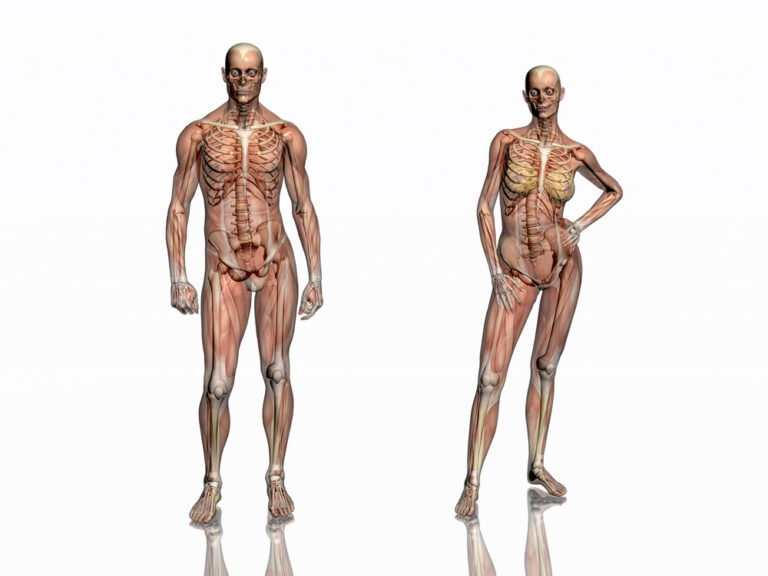
The dumbbell deadlift for beginners is one of the most effective exercises for building full-body strength, yet it’s often performed incorrectly. This fundamental movement pattern targets your posterior chain, including your glutes, hamstrings, and lower back, while also engaging your core and improving your posture.
Whether you’re new to fitness or transitioning from other exercises, mastering the dumbbell deadlift for beginners requires understanding proper form and technique. In this comprehensive guide, we’ll walk you through 8 essential form cues that will help you perform this exercise safely and effectively.
Why the Dumbbell Deadlift for Beginners Is Perfect for Newcomers
The dumbbell variation offers several advantages over its barbell counterpart, making it an ideal choice for those just starting their fitness journey. Dumbbells allow for a more natural grip width and provide greater freedom of movement, which can help you find your optimal lifting position.
Additionally, using dumbbells for deadlifts requires less initial mobility than barbell deadlifts since you don’t need to reach as low to the ground. This makes the dumbbell deadlift for beginners more accessible and easier to learn while you develop proper movement patterns.
The 8 Essential Form Cues for Dumbbell Deadlifts
1. Hip-Width Stance Positioning and Weight Distribution Fundamentals
Start with your feet positioned hip-width apart with your toes pointing forward or slightly outward. This stance provides optimal stability and allows for proper hip hinge mechanics. Your weight should be evenly distributed across your entire foot, with particular focus on maintaining contact through your heels and the balls of your feet.
Avoid placing too much weight on your toes, as this can cause you to tip forward during the movement. Think of your feet as tripods, with weight distributed between your big toe, little toe, and heel for maximum stability throughout the dumbbell deadlift for beginners.
2. Neutral Spine Alignment from Setup to Lockout
Maintaining a neutral spine is crucial for safe execution of the dumbbell deadlift for beginners. Your spine should maintain its natural curves throughout the entire movement, from the initial setup to the final lockout position.
To achieve this, imagine lengthening the back of your neck while keeping your chest proud and shoulders pulled back slightly. Your head should remain in a neutral position, looking straight ahead rather than up at the ceiling or down at the floor.
3. Hip Hinge Mechanics vs. Squatting the Weight
The hip hinge is the fundamental movement pattern that separates a deadlift from a squat. To perform a proper hip hinge, initiate the movement by pushing your hips back while maintaining a slight bend in your knees. Your knees should bend only enough to allow the dumbbells to clear them during descent.
Many beginners make the mistake of squatting the weight down, which shifts the focus away from the intended muscle groups. Focus on moving your hips back and forward rather than up and down for proper dumbbell deadlift for beginners technique.
4. Keeping Dumbbells Close to Body Throughout Movement
Maintaining proximity between the dumbbells and your body is essential for both safety and effectiveness. The dumbbells should travel in a straight vertical path, staying close to your legs throughout the entire range of motion.
As you lower the weights, allow them to trace along your thighs and shins. This keeps the load close to your center of gravity and reduces stress on your lower back. Think of the dumbbells as sliding down and up your legs during each repetition of your dumbbell deadlift for beginners routine.
5. Breathing Pattern and Core Bracing Techniques
Proper breathing and core engagement are vital components of safe dumbbell deadlift for beginners execution. Before initiating each repetition, take a deep breath and brace your core as if someone were about to punch you in the stomach.
Hold this breath and tension during the descent and ascent phases of the movement. Exhale only at the top of the movement once you’ve returned to the starting position. This breathing pattern helps maintain intra-abdominal pressure and spinal stability throughout the lift.
6. Starting with Appropriate Weight Selection (10-15 lbs)
For dumbbell deadlift beginners, starting with 10-15 pound dumbbells is typically appropriate. This weight range allows you to focus on perfecting your form without being overwhelmed by excessive load. Remember, you can always increase the weight as you become more comfortable with the movement pattern.
According to the American College of Sports Medicine, beginners should prioritize movement quality over load progression during the initial learning phase. Your primary goal should be mastering the fundamental movement pattern before adding significant resistance.
7. Controlled Descent Tempo to Prevent Momentum
The descent phase of the dumbbell deadlift for beginners should be performed with controlled tempo rather than allowing gravity to take over. Aim for a 2-3 second descent, which allows you to maintain proper form and maximize muscle engagement.
This controlled lowering phase, known as the eccentric portion of the lift, is crucial for building strength and muscle development. Rushing through this phase not only reduces the exercise’s effectiveness but also increases injury risk due to loss of control.
8. Progressive Overload Strategies for Safe Advancement
Once you’ve mastered the basic dumbbell deadlift for beginners technique, you can begin implementing progressive overload to continue making gains. This can be achieved by gradually increasing weight, adding repetitions, or performing additional sets.
Increase weight by 2.5-5 pounds per dumbbell only when you can complete all planned sets and repetitions with perfect form. This gradual progression ensures continued strength development while minimizing injury risk.
Common Mistakes to Avoid
Even with proper instruction, beginners often make several common errors when learning the dumbbell deadlift for beginners. Rounding the back is perhaps the most dangerous mistake, as it places excessive stress on the spine and can lead to injury.
Another frequent error is allowing the dumbbells to drift away from the body during the movement. This creates an inefficient lever arm and increases lower back stress. Additionally, many beginners rush through the movement, sacrificing control for speed.
Looking up or down excessively during the lift can also compromise spinal alignment. Keep your gaze neutral and focus on maintaining proper head position throughout the dumbbell deadlift for beginners movement.
Tips and Advice for Success
To accelerate your progress with the dumbbell deadlift for beginners, consider working with a qualified trainer initially to ensure proper form development. Having an experienced eye watching your technique can help identify and correct issues before they become ingrained habits.
Practice the hip hinge movement pattern without weights first. Stand with your back against a wall and practice pushing your hips back while maintaining contact with the wall. This helps you understand the fundamental movement before adding load.
Film yourself performing the exercise from the side to review your form between sets. This visual feedback can be invaluable for identifying areas that need improvement in your dumbbell deadlift for beginners technique.
The Mayo Clinic emphasizes the importance of proper form over heavy weights, especially for beginners learning fundamental movement patterns.
Building Your Training Program
When incorporating the dumbbell deadlift for beginners into your routine, start with 2-3 sessions per week with at least one day of rest between sessions. Begin with 2-3 sets of 8-12 repetitions, focusing primarily on movement quality rather than lifting heavy weights.
As you become more comfortable with the movement, you can gradually increase training frequency, volume, or intensity. However, remember that consistency and proper form should always take precedence over aggressive progression.
Consider pairing the dumbbell deadlift for beginners with complementary exercises such as glute bridges, planks, or bird dogs to develop the supporting musculature and movement patterns that will enhance your deadlifting performance.
Final Thoughts on Mastering the Dumbbell Deadlift
The dumbbell deadlift for beginners is an excellent foundation exercise that will serve you well throughout your fitness journey. By focusing on these 8 essential form cues and avoiding common mistakes, you’ll build strength safely and effectively while developing proper movement patterns that transfer to many other exercises.
Remember that mastery takes time and consistent practice. Be patient with yourself as you learn this fundamental movement, and don’t hesitate to seek guidance from qualified fitness professionals when needed. With dedication and proper technique, the dumbbell deadlift for beginners will become a cornerstone of your strength training program.